
Mental framing for mentors - a deeper understanding of week #4
This week we are focusing on the topic of self-regulation (in connection to learning in medical school) as an incredibly important element of success. Most people would think emotional self-management depends on your IQ as highly intelligent people have good self-regulation skills. Keep in mind that intelligence are not only measured by the capacity of the memory, but also by emotional intelligence, spiritual intelligence among others.What is the connection between self-regulation and self-control?
As psychologist Stuart Shanker (2016) puts it: "Self-control is about inhibiting strong impulses; self-regulation, reducing the frequency and intensity of strong impulses by managing stress-load and recovery. In fact, self-regulation is what makes self-control possible, or, in many cases, unnecessary." "Viewed in this light, we can think about self-regulation as a more automatic and subconscious process-unless the individual determines to purposefully monitor and alter their self-regulation-while self-control is a set of much more active and purposeful decisions and behaviors." (source link)
"Emotional intelligence can be described as: "the ability to perceive emotions, to access and generate emotions so as to assist thought, to understand emotions and emotional knowledge, and to reflectively regulate emotions so as to promote emotional and intellectual growth" (Mayer & Salovey, 1997). According to emotional intelligence expert Daniel Goleman, there are five components of emotional intelligence: self-awareness, self-regulation, internal motivation, empathy and social skills. Self-regulation, or the extent of an individual's ability to influence or control their own emotions and impulses, is a vital piece of emotional intelligence, and it's easy to see why; can you imagine someone with high self-awareness, intrinsic motivation, empathy, and social skills who inexplicably has little to no control over their own impulses and is driven by emotion without inhibition." (source link)
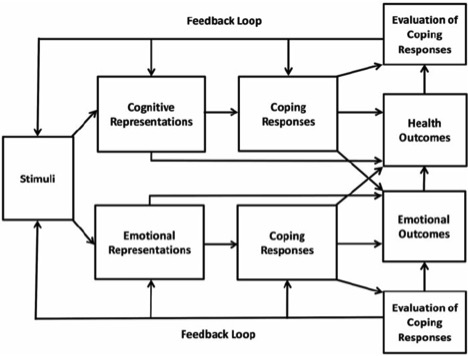
How to improve your self-regulation - become your own (internal) scientist and set up reminders to become aware:
Identifying which specific emotions you’re feeling
Identifying which specific emotions someone else is feeling
Be more aware of your own vocabulary - avoid using words e.g.: always, never, everybody, nobody, but etc. Start and persist with pursuing goals even when you feel anxious
Try to tolerate awkwardness (self/others)
Have intimate conversations rather than build stonewall, avoid, or flee.
Resist to crumble when someone is pressuring you - role-play a lot by yourself or trustworthy firends
Learn to soothe your own emotions (self-talk)
Learn to soothe other people's emotions
Practice to wait (delayed rewards)
Reinterpret formal situations (in retrospect) come up with positive feelings (source link)
Be creative and attentive!